
These books show you how to better understand and change recurring conflicts and difficult relationship patterns. You'll discover how your own attitudes and behaviour can help you build better relationships.
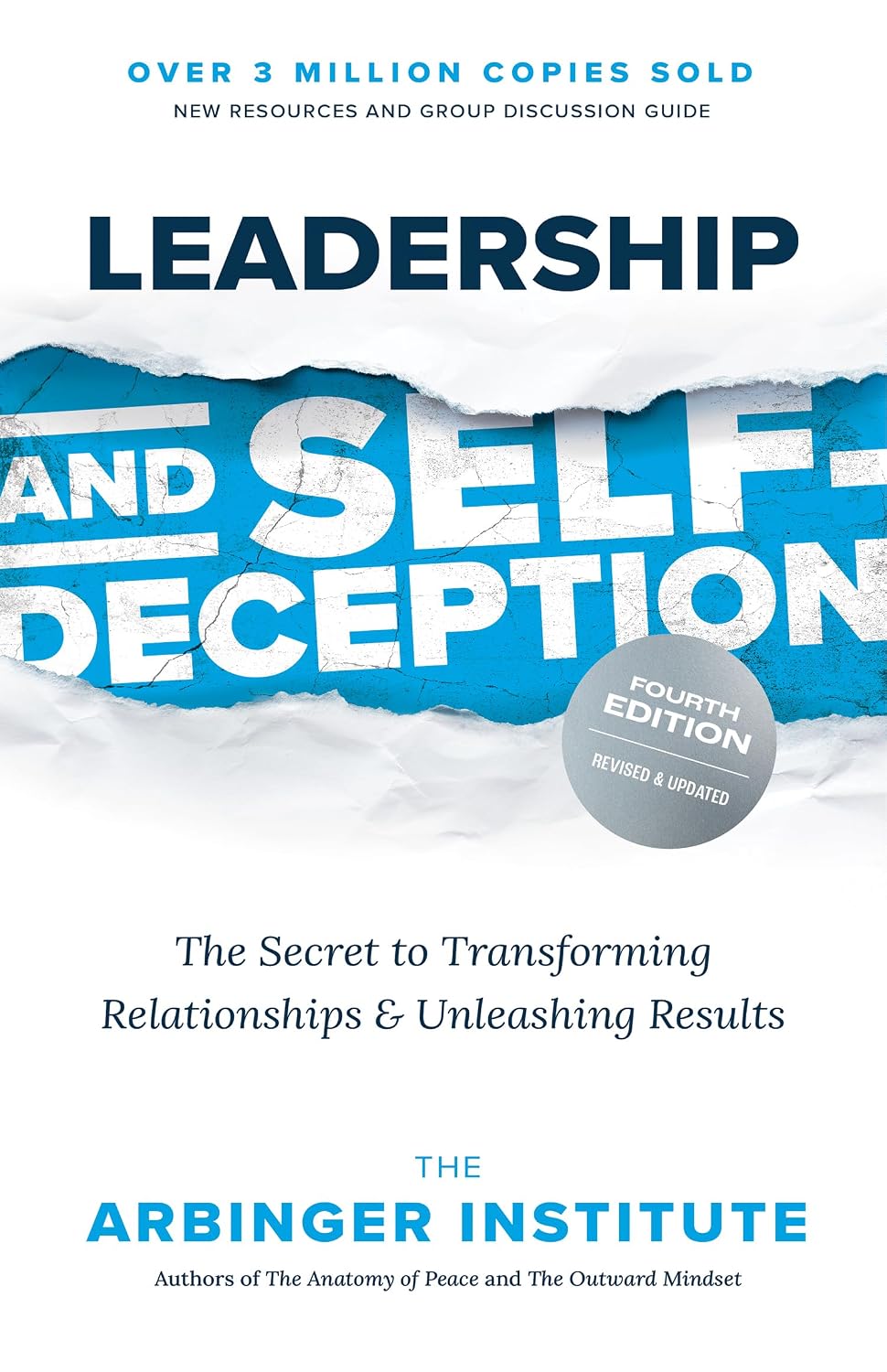 Leadership & Self-Deception
We recommend that you start by reading "Leadership & Self-Deception". The book explores relationships at work, as well as romantic relationships and family relationships.
The book is written as a story and is easy to read. It shows how we often deceive ourselves. When we do this, we lose sight of our own motives. We also fail to see how our behaviour contributes to the very problems we want to solve. We see ourselves as victims of other people's behaviour instead of taking responsibility for our own.
This book can help you if you keep getting caught up in similar patterns of conflict. For example, if you often feel misunderstood, are quick to blame others, or think: "If only the other person would change." It can help you recognise when you have started seeing other people merely as obstacles rather than as people with their own needs and goals. The book offers suggestions for how you can change your own behaviour in ways that make it easier for others to respond positively to you.
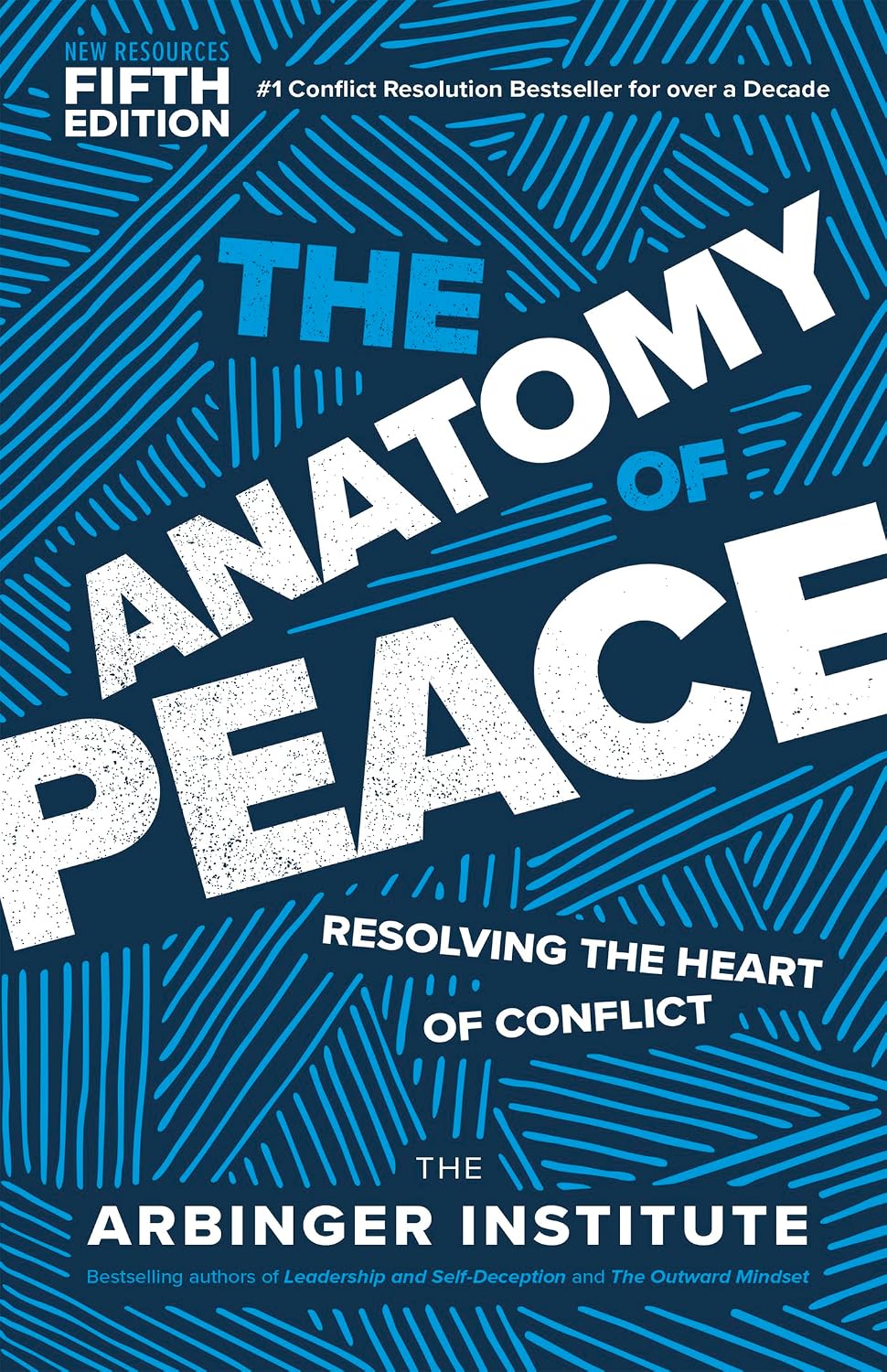 The Anatomy of Peace
"The Anatomy of Peace" takes things a step further. It shows why conflicts sometimes continue even when both sides genuinely want to find a solution.
The book focuses mainly on family relationships: romantic relationships, relationships between parents and children, and past emotional hurts. You learn how people in conflict often argue about a particular issue when the real problem lies deeper: in the attitude they have towards each other. Instead of taking a genuine interest in other people, we push them into roles that best serve our own needs or fit our image of ourselves.
The book does not offer simple techniques for resolving conflicts. Instead, it shows why such techniques sometimes fail. It can help you see others as people again, even when they have hurt you. This can open the door to approaching conflicts more calmly and honestly.
Where can I buy these books?
You can find the books in many bookshops and online stores. They have been translated into many languages. If you buy the books online, make sure you get the latest edition. New editions are published regularly, sometimes with revisions to the content.